

Australia offers a huge range of environments for anglers to explore, but few are as accessible or rewarding as the fishing estuary. Found all along the east coast and beyond, estuaries provide a perfect mix of saltwater and freshwater, forming rich ecosystems that support an abundance of marine life.
With constant changes in salinity, tide, and water temperature, these waterways are dynamic and full of life. Whether you love fishing with bait, soft plastics, or lures, estuary fishing offers something for everyone. In this guide, we’ll cover everything you need to know about successful estuary fishing; from the fish species you’ll encounter to the estuary tackle and techniques that bring results.
What is an Estuary?
An estuary is a body of brackish water where freshwater from rivers meets the ocean. Most estuaries are tidal and feature shallow waters, sandbanks, weed beds, and channels. The nutrient-rich mix supports a wide range of animals and feeding fish. Estuaries include river or estuary systems, lagoons, bays, inlets, and natural harbours.
Because many towns and cities are built around rivers, estuaries are some of the most accessible spots for Aussie fishermen. Even heavily developed areas often support healthy estuaries, and many species have adapted to man-made structures like bridges, pylons, and jetties.
Estuary Species
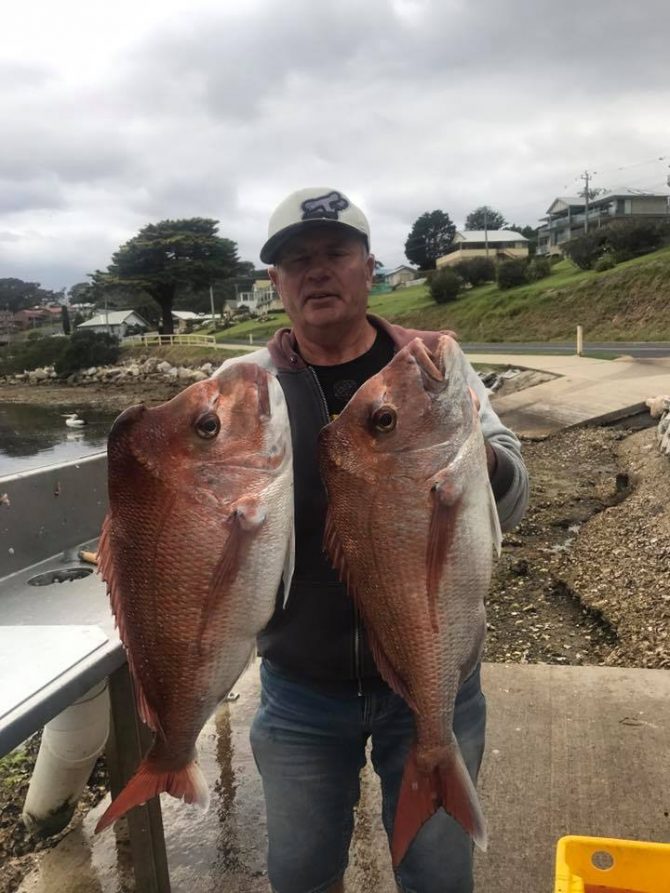
The species you’ll encounter in an estuary system depends largely on your location.
In tropical estuaries, particularly in the north, you’ll find mangrove jack, barramundi, estuary cod, trevally, queenfish, flathead, and yellowfin whiting. These predators eat a wide variety of prey, including prawns, mullet, squid, and small crabs.
In sub-tropical and southern estuaries, expect to catch estuary perch, yellowfin bream, flounder, tailor, whiting, mulloway, and flathead. Estuaries in the south coasts may even close off from the ocean during dry periods, only reconnecting after rainfall or human intervention.
Estuary fishing is ideal for both beginners and seasoned anglers because of the variety of target species available all year round. Bream and flathead remain popular species across most estuaries in Australia.
Bait Fishing in Estuaries
Bait fishing is where many anglers start their fishing journey—and for good reason. With the right bait and timing, you can catch everything from small bream to powerful predators. Worms, prawns, pilchards, squid, and strips of mullet are proven baits in these waters.
A simple running sinker rig is a good starting point. Use hooks between size 4 and 1/0 depending on your target species. A size 1 ball sinker often works well in most estuaries to keep your bait on the bottom. Fish live baits like mullet or prawns unweighted for a natural presentation, particularly over shallow flats.
For larger estuary species such as mulloway or mangrove jack, scale up your gear. Use stronger hooks and heavier trace, and consider a float to tempt fish around snaggy structures without losing your rig.
Lure Fishing Techniques
Lure fishing is a fast-growing technique among estuary anglers. Unlike bait fishing, lure fishing requires the angler to actively search for fish, targeting structure, drop-offs, and channels. The key to success is understanding how fish respond to tidal movement.
At high tide, predators move onto sand flats, into mangroves, and over weed beds to feed. This is a great time to throw diving hardbody lures or topwater options across the shallows. As the tide recedes, fish retreat into deeper areas and channels. Use soft plastics or vibes to work these zones slowly and effectively.
Soft plastics like paddle tails, grubs, and minnow profiles are excellent for bream, flathead, and whiting. On the other hand, larger plastics and diving hardbodies are best suited for chasing estuary predators such as mangrove jack or estuary perch.
Best Estuary Fishing Spots in NSW
If you’re planning to experience the best estuary fishing, New South Wales has plenty of top-tier spots to explore. One standout location is Narooma, a favourite among fishermen for its productive estuary system and access to both river and ocean species.
Estuary fishing in Narooma offers everything from shallow flats ideal for whiting and bream to deeper channels where predators lurk. Local estuary fishing charters can help you navigate the tides and hotspots, with guided estuary fishing charters providing valuable insight and gear.
Other popular estuary fishing spots in NSW include:
- Tuross Head – Great for flathead, bream, and estuary perch.
- Batemans Bay – A diverse estuary system perfect for soft plastics and lure fishing.
- Lake Macquarie – One of the largest coastal lakes with many accessible estuary species.
- Port Stephens – Excellent for both bait fishing and lure fishing with a wide variety of target species.
Whether you’re on a boat or casting from the shore, these locations showcase some of the best estuary fishing on the south coast.
Final Thoughts
Fishing an estuary is one of the most rewarding ways to explore Australia’s diverse waterways. With constantly changing conditions and a wide array of fish species, every outing is different. The combination of bait, lures, tides, and seasons keeps things exciting for anglers of all levels.
So if you’re looking to catch more fish, explore healthy estuaries, and maybe even book an estuary fishing charter in Narooma or another NSW hotspot—get out there. With a rod in hand and the tide on your side, you might be pleasantly surprised by what bites next.


